
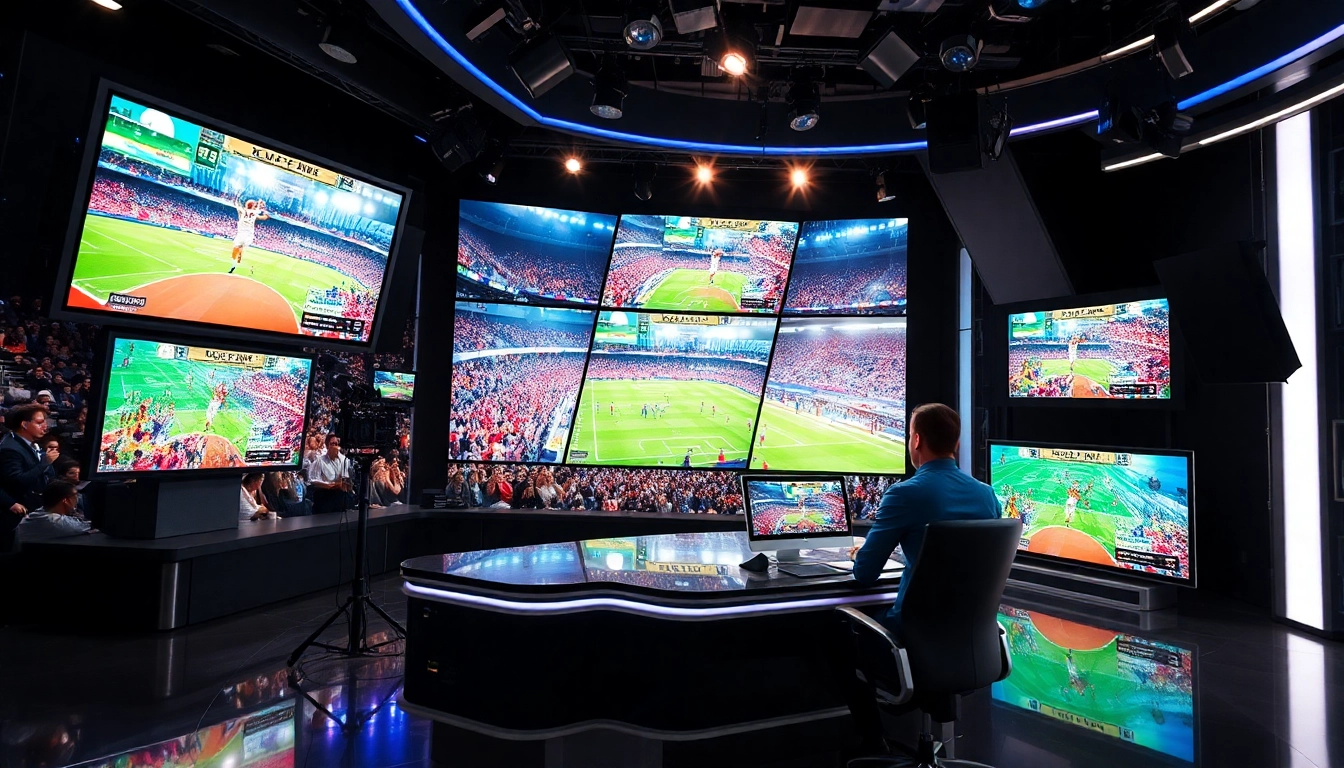
Understanding Sports Broadcasting
Sports broadcasting has transformed the way audiences consume sports, moving from radio and traditional television to dynamic online platforms. It encompasses the transmission of sports events and content through various mediums and focuses on delivering engaging experiences to fans across the globe. Key advancements in technology and changing viewer preferences have played a significant role in reshaping the landscape of Sports Broadcasting.
Key Components of Sports Broadcasting
At the core of sports broadcasting are several essential components, including:
- Content Creation: This involves the planning and execution of broadcast events, including commentary, pre-game analysis, and halftime shows.
- Production Technology: The equipment and technology used during live broadcasts, such as cameras, microphones, and graphics systems, are crucial for delivering high-quality content.
- Distribution Channels: These encompass the various platforms through which sports content is shared, including cable networks, streaming services, and social media.
- Viewer Engagement: Creating a connection with the audience through interactive features, social media integration, and personalized content enhances viewer experiences.
The Evolution of Sports Broadcasting
Sports broadcasting has evolved drastically over the decades. Initially dominated by radio broadcasts, the introduction of television revolutionized how fans engaged with their favorite sports. Recent advancements include:
- Digital Streaming: Online platforms now allow fans to watch games in real-time, breaking traditional barriers of broadcasting.
- High Definition (HD) and 4K: Enhanced picture quality provides viewers with better experiences, making them feel as though they are part of the action.
- Mobile Broadcasting: With the rise of smartphones, viewers can now watch events on-the-go, increasing accessibility.
- Augmented and Virtual Reality: These technologies are beginning to create immersive experiences for viewers, allowing them to engage with content in unprecedented ways.
Global Trends and Audience Engagement
Global trends in sports broadcasting reflect the diverse consumption habits of audiences. Key trends include:
- Social Media Influence: Platforms like Twitter, Facebook, and Instagram play pivotal roles in how fans consume and discuss sports content.
- eSports Growth: The increasing popularity of eSports has led to new broadcasting opportunities and a younger demographic engaging with sports.
- Interactive Features: Polls, live chats, and voting options during broadcasts enhance viewer participation and engagement.
- Localized Content: Tailoring broadcasts to specific regions creates a more personal viewer experience.
Essential Equipment for Sports Broadcasting
To deliver impressive sports broadcasts, organizations rely on various equipment and technology. The quality and reliability of these tools significantly affect production outcomes.
Broadcasting Cameras and Sound Gear
Cameras are the primary tools in sports broadcasting, with options including handhelds, fixed-position cameras, and drones. Key considerations include:
- Resolution: High-definition cameras are standard, with many productions moving to 4K for even sharper images.
- Mobile Cameras: These provide footage from unique angles and enhance the viewing experience.
- Sound Equipment: Quality microphones and audio mixers are essential for clear commentary and ambient sounds.
Lighting and Set Design
Effective lighting and set design are crucial for creating a visually appealing broadcast. Important aspects include:
- Lighting Design: Sufficient lighting ensures that all activities are visible, creating a professional appearance.
- Set Layout: An engaging set can enhance storytelling and viewer interest, incorporating elements such as team logos, colors, and interactive displays.
- On-Site vs. Studio: The choice between on-site broadcasts or from a studio affects both design and viewer perception.
Editing Software for High-Quality Production
Post-production is a critical component of sports broadcasting, where editing software comes into play:
- Video Editing: Tools like Adobe Premiere Pro and Final Cut Pro enable editors to craft polished packages and highlights.
- Graphic Integration: Software to add graphics and visual elements helps to present statistics and provide context during live events.
- Audio Editing: Ensuring clear audio tracks and balanced sound is vital for maintaining professional quality.
Modern Broadcasting Techniques
The advent of digital technology has ushered in a new era of broadcasting techniques that enhance the viewer experience.
Live Streaming vs. Traditional Broadcasting
Live streaming has gained substantial traction in recent years, offering advantages such as:
- Accessibility: Viewers can watch games from any location, breaking geographical limitations.
- On-Demand Content: Streamers can revisit highlights and full games whenever they wish.
- Lower Costs: For smaller leagues or organizations, streaming provides affordable options compared to traditional broadcasting.
Incorporating Social Media into Sports Broadcasting
Social media serves as a multifaceted tool in sports broadcasting by:
- Real-Time Interaction: Engaging viewers through live tweets and interactions creates a dynamic environment.
- Audience Expansion: Sharing highlights and promotional content helps attract a greater audience.
- Fan-Driven Content: Utilizing user-generated content enhances a community feel and encourages viewer loyalty.
Data Analytics for Audience Insight
Data analytics plays a crucial role in understanding viewer preferences and behavior:
- Viewership Metrics: Analyzing viewer numbers, drop-off rates, and engagement types helps broadcasters refine their strategies.
- Content Preferences: Understanding what viewers prefer to watch can guide programming decisions.
- Advertising Effectiveness: Data helps assess the ROI of advertising placements and sponsorships.
Challenges in Sports Broadcasting
Despite the advancements and excitement of sports broadcasting, several challenges persist.
Navigating Legal and Copyright Issues
Copyright laws significantly affect sports broadcasting, with rights typically held by leagues or teams. Important points include:
- Licensing: Broadcasters often need to negotiate rights to air specific games, which can lead to costly agreements.
- Content Sharing: Regulations around highlights, replay footage, and clips can limit what broadcasters can share.
- International Laws: Broadcasting across borders can complicate rights management and compliance.
Overcoming Technical Difficulties
Technical difficulties can have serious implications for broadcasts, including:
- Equipment Failures: Backup systems, maintenance, and regular technical checks are essential to avoid setbacks.
- Connectivity Issues: A reliable internet connection is paramount for live streaming and transmission.
- Quality Control: Ensuring that video and audio quality meet high standards is a continuous challenge.
Maintaining Viewer Engagement
Audience engagement is a perennial challenge for broadcasters facing constant competition. Strategies include:
- Innovative Broadcasting: Using unique storytelling methods can make broadcasts more compelling.
- Community Interaction: Building a community around broadcasts encourages viewer loyalty and engagement.
- Responsive Content: Quickly addressing audience feedback and adapting content accordingly increases viewer satisfaction.
Future of Sports Broadcasting
The future of sports broadcasting is poised for further transformation, driven by technological innovations and changing viewer habits.
Emerging Technologies and Their Impact
Emerging technologies are set to redefine the sports broadcasting landscape:
- Artificial Intelligence: AI can enhance real-time analytics, automating highlights and improving viewer interactivity.
- Virtual Reality: VR experiences are already providing fans with immersive viewing options and alternative perspectives.
- Blockchain Technology: This could streamline rights management and bolster transparency in content distribution.
Trends in Viewer Consumption
As consumption habits evolve, broadcasters must adapt to new trends:
- Short-Form Content: The popularity of bite-sized content requires broadcasters to rethink how they package highlights and features.
- Subscribing Models: Viewers increasingly favor subscription-based models, encouraging broadcasters to diversify their offerings.
- Globalization: Increased access to international sports further expands audience reach.
Building a Sustainable Broadcasting Model
To ensure longevity, broadcasters should consider sustainable practices including:
- Diverse Revenue Streams: Beyond ad revenue, exploring subscription services and merchandise sales can create stability.
- Engagement Metrics: Focusing on meaningful engagement, rather than just viewer numbers, provides deeper insights.
- Evolving Content Strategies: Continuously adapting programming will keep content fresh and relevant.
Frequently Asked Questions
What is sports broadcasting?
Sports broadcasting involves transmitting sports events and related content through various mediums, primarily focusing on engaging audiences via television, radio, and online platforms.
How has sports broadcasting evolved?
Sports broadcasting has transitioned from radio to television and now to online platforms, incorporating digital streaming, high-definition technology, and interactive elements for viewers.
What essential equipment is used in sports broadcasting?
Key equipment includes broadcasting cameras, sound gear, lighting systems, and editing software that together ensure high-quality live sports coverage.
What are the main challenges in sports broadcasting?
Challenges include navigating legal issues, dealing with technical difficulties, and maintaining audience engagement amidst fierce competition.
What does the future of sports broadcasting look like?
The future will likely see continued advancements in technology, changing viewer consumption habits, and new revenue models driven by innovation and audience engagement.